Reports Commentary
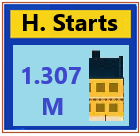
Rising demand and limited supply have encouraged builders to boost construction. Applications for building permits rose in April to the highest level in nearly five years. And U.S. builders started work on more new homes and apartments in April compared with the same month a year earlier.
Existing-home sales rose in April 2013 to hit the highest rate since November 2009, pointing to an ongoing recovery supported by low interest rates and pent-up demand, according to data released Wednesday.
The drop in last week Jobless Claims unwound most of the prior week's jump, suggesting employers were not laying off workers in response to tighter fiscal policy, especially the $85 billion in across-the-board government spending cuts that have dampened factory activity.
The claims report showed the number of people still receiving benefits under regular state programs after an initial week of aid fell 112,000 to 2.91 million in the week ended May 11. That was the first time in five years so-called continuing claims were below the 3 million mark.
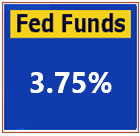
On Wednesday, Fed Chairman Ben Bernanke told lawmakers that a decision to scale back the $85 billion in bonds the U.S. central bank Fed is buying each month could come at one of its "next few meetings" if the economy appeared set to maintain momentum.
New Home Sales: Both January and April had the fastest sales rates since July 2008.The median price of a home sold in April was $271,600, the highest level on government records going back to 1993. The April price was 8.3% higher than in March and 13.1% higher than a year ago.
Average rates on fixed mortgage rose for the third straight week, hitting their highest levels since mid-March. Still, mortgage rates remained close to historic lows, a trend that should help sustain the housing recovery.
Japan stocks crash on volatile bonds; Nikkei ends down 7.3%
Japanese shares suffered their worst losses in more than two years on Thursday after data showing an unexpected contraction in Chinese manufacturing activity added to worries the Federal Reserve could downscale its bond purchases.
After Bernanke's testimony in the morning, the S&P 500 rallied to 1688, up 18 points on the day. However, after comments that Bernanke foresaw the potential to reduce purchases between now and Labor Day, Treasuries plummeted with the 10-year yield gaining almost 11 basis points in under five minutes.
Participants in the Treasury market were significantly spooked, openly wondering what an actual tapering scenario might entail. Following the release of the minutes at 2 p.m., stocks fell further and finished down almost 1% on the day, one of the few occurrences of such an event this year. Technically, the S&P 500 also left an outside daily bar, which tends to signal reversals.
U.S. Federal Reserve Chairman Ben Bernanke made it clear in congressional testimony this week that the central bank could very well entertain a change in policy sooner than many had predicted. That would mean providing less stimulus to the economy by cutting back on its bond buying program.
The Fed's dual mandate means that both jobs and inflation data will be key. Labor data has been more encouraging of late, with the unemployment rate down to 7.5%. The Fed has said it wants to see the rate fall to 6.5% before it raises interest rates.
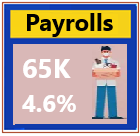
The data has been spotty enough that policymakers could want more consistency. Non-farm payroll growth has averaged about 208,000 monthly over the past six months but has dipped below that level in some months
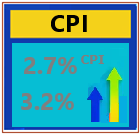
Also far from target is inflation. The Personal Consumption Expenditures index, which is the measurement most watched by the Fed, was only at 1% in March. The April reading is due on May 31.
China
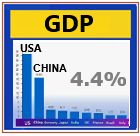
The unexpected contraction in China's factory activity in May has heightened the risk of a further slowdown in the second quarter, after the world's second largest economy grew at its slowest pace in three years over January to March, said economists.
The flash HSBC Purchasing Manager's Index (PMI) for May that was released on Thursday slipped to 49.6, falling under the key 50 level, which divides expansion from contraction, for the first since October. Last month, the final HSBC PMI stood at 50.4.
The decline was driven partly by a fall in new orders - with the sub-index dropping to 49.5, the lowest reading since September.
What do the Economic Reports reveal about the state of the economy?
- Mortgage rates increased to their highest level since March 2013.
- The U.S. job market remains weak and that it is too soon for the Federal Reserve to end its extraordinary stimulus programs.
- Home prices increased 1.3% in March 2013.
- New-home sales rose to a seasonally adjusted annual rate of 454,000.
- The 30-year loan increased to 3.59%.
- U.S. durable-goods orders rise 3.3% in April 2013.
|