The Chicago Fed National Activity Index (CFNAI)
The Chicago Fed National Activity Index dropped to 0.37 in November of 2021, from a three-month high of 0.75 in October, pointing to a slowdown in US economic growth. Production-related indicators contributed +0.21 in November, down from +0.42 in October, as industrial production increased 0.5%, after rising 1.7% in the previous month. The contribution of the sales, orders, and inventories category edged down to +0.03 from +0.06; employment-related indicators contributed +0.18, down slightly from +0.23; and the contribution of the personal consumption and housing category moved down to –0.05 in November from +0.04 in October. On the other hand, the index’s three-month moving average moved up to +0.37 in November from +0.25 in October
Durable Goods Orders for Oct. 2021
New orders for US manufactured durable goods fell 0.5 percent month-over-month in October of 2021, after a 0.4 percent decrease in September and compared to market expectations of a 0.2 percent increase.
Wholesale Inventories Advance
US wholesale inv
Jobless
Weekly jobless claims post stunning decline to 199,000, the lowest level since 1969. Initial jobless claims totaled 199,000 last week, the lowest total since November 1969. Second-quarter GDP growth was revised slightly higher to 2.1%, a bit below estimates. Orders for long-lasting goods fell 0.5% for the month, below the expectation for a small gain..The ranks of those submitting jobless claims tumbled to their lowest level in more than 52 years last week, the Labor Department reported Wednesday. New filings totaled 199,000, a number not seen since Nov. 15, 1969, when claims totaled 197,000. The report easily beat Dow Jones estimates of 260,000 and was well below the previous week’s 270,000.
Corporate Profits
US Corporate Profits Rise to All-Time High in Q3. Corporate profits in the United States rose 4.3 percent to a fresh record high of USD 2.54 trillion in the third quarter of 2021, slowing from a 10.5 percent jump in the previous period, a preliminary estimate showed. Undistributed profits climbed 7.3 percent to $1.10 trillion and net cash flow with inventory valuation adjustment, the internal funds available to corporations for investment, advanced 2.5 percent to $3.16 trillion. Also, net dividends increased 2.0 percent to $1.44 trillion
GDO Q3 2021
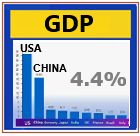
US GDP Slowed Sharply in Q3 but Big Rebound Expected in Q4. The U.S. economy slowed to a modest annual rate of 2.1% in the July-September quarter, slightly better than first reported. The U.S. economy slowed to a modest annual rate of 2.1% in the July-September quarter according to the government’s second read of the data, slightly better than its first estimate. But economists are predicting a solid rebound in the current quarter as long as rising inflation and a recent uptick in COVID cases do not derail activity.
New Home Sales
New home sales saw little change in October, up just 0.4% from the revised September figure as monthly gains in the Midwest (+11.0%) and South (+0.2%) offset declines in the Northeast (-11.8%) and West (-1.1%). New home sales fell 23.1% short of the level of activity seen one year ago in October, but remained at an elevated pace of 745,000 as an ongoing shift in preferences drives homebuyers to the suburbs where new home communities are more plentiful and the availability of existing homes for sale is still limited. However, rising new home prices, at a median of $407,700 in October (+17.5%), and mortgage rates mean higher monthly costs for buyers, who are likely grappling with budgets being squeezed by inflation for other goods and services, too. This is particularly acute for entry level buyers. Only 1 in 5 new homes sold was priced below $300,000.
Wholesale Inventories Advance
U.S. advanced wholesale inventories rise 2.2% in October
U.S. Trade in Goods
Nov 24, 2021 — The U.S. trade deficit in goods narrowed 14.6% to $82.9 billion in October. The U.S. trade deficit in goods narrowed 14.6% to $82.9 billion in October, according to the Commerce Department’s advanced estimate released Wednesday. Economists polled by Econoday were looking to a $94.6 billion deficit. Exports jumped in October while imports increased at a more moderate pace.The report also showed a 2.2% gain in wholesale inventories. And advanced retail inventories were up 0.1% . Excluding autos, retail inventories were up 0.4%. U.S. stocks were set to open lower on Wednesday.
Existing Home Sales
Existing-home sales rose for the second month in a row in October, as the median sales price also posted an increase, marking 116 consecutive months of gains, the longest streak on record, the National Association of Realtors said. Total existing-home sales, which are completed transactions, including single-family homes, townhomes, condominiums and co-ops, rose 0.8% from September to a seasonally adjusted annual rate of 6.34 million in October. Year over year, sales were down 5.8% from 6.73 million transactions in October 2020. The median existing-home price for all housing types in October was $352,800, up 13.3% from October 2020, as prices rose in each region, the NAR said in a press release.
Personal Income
Personal income increased $93.4 billion, or 0.5 percent at a monthly rate, while consumer spending increased $214.3 billion, or 1.3 percent, in October. The increase in personal income primarily reflected an increase in compensation of employees..
Personal income rose by 0.5% on the month, beating expectations of a 0.2% increase, while spending rose by a sharp 1.3% in October on a dollar basis. After adjusting for price changes, real spending remained strong at 0.7%. All indicators on spending and income show strong improvements compared to September as the economy came back from the delta variant’s surge in late August and early September..
Consumer Spending or Real PCE
Along with the surge in prices came an increase in the amount consumers spent, which rose 1.3% for the month. Consumers are benefiting from a strong labor market. And they are spending at a faster pace than inflation, which recently hit a three-decade high.
Personal spending and income rose in October, beating expectations. October’s personal income and spending data released by the government on Wednesday gave more reasons to end the short Thanksgiving week on a good note.
U.S. Recovery Accelerates on Spending, Labor Market Growth. Personal spending rose 1.3% in October, while income increased 0.5%. The U.S. economy showed broad-based signs of acceleration heading into the end of the year, with consumers ramping up spending, businesses stepping up investment and jobless claims falling to historic lows. Household spending rose 1.3% in October from a month earlier, while personal income increased 0.5% last month, the Commerce Department said Wednesday.
PCE and Core PCE Price Index
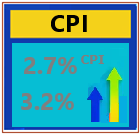
Key inflation figure for the Fed up 4.1% year over year, the highest since January 1991. Prices for core personal consumption expenditures increased 4.1% from a year ago in October 2021, the highest since January 1991. Inflation rose strongly in October 2021, accelerating at its fastest pace since the early 1990s, according to a Commerce Department gauge released Wednesday that is closely followed by Federal Reserve policymakers. Prices for personal consumption expenditures excluding food and energy increased 4.1% from a year ago, with the so-called core reading last higher in January 1991. The Fed prefers that measure as it excludes the volatility that the two categories can show. The reading matched the Dow Jones estimate.
The Fed’s inflation gauge. The personal consumption expenditures deflator—the Fed’s favorite inflation indicator—rose by 0.6% on the month and by 5.0% on the year in October. The monthly increase in PCE matched the increases in April and March, while the yearly increase marked the highest level in three decades. And it was not much of a surprise following October’s surge in inflation.
Consumer Sentiment UM
U.S. consumer sentiment dropped in November from a month earlier to a decade low as higher prices continued to erode Americans' spending power. The University of Michigan's final sentiment index fell to 67.4 during the month from 71.7 in October, data released Wednesday showed
FOMC Minutes Meeting 03/Nov/2021
Fed members ready to raise interest rates if inflation continues to run high, meeting minutes show. Minutes from the November Fed meeting show members concerned about inflation and willing to tighten policy should it continue to run hot The meeting summary noted that the officials would be willing to raise interest rates “sooner than participants currently anticipated. They also indicated at the meeting that they feel conditions warrant a reduction in monthly asset purchases, with some members pushing for a more aggressive tapering.
Federal Reserve officials at their meeting earlier this month expressed concern about inflation and said they would be willing to raise interest rates if prices keep rising. The committee that sets interest rates for the Fed on Wednesday released the minutes from the November session where it first signaled that it could be dialing back all the economic help it’s been providing during the pandemic. The meeting summary indicates a lively discussion about inflation, with members stressing the willingness to act if conditions continue to heat up.
|