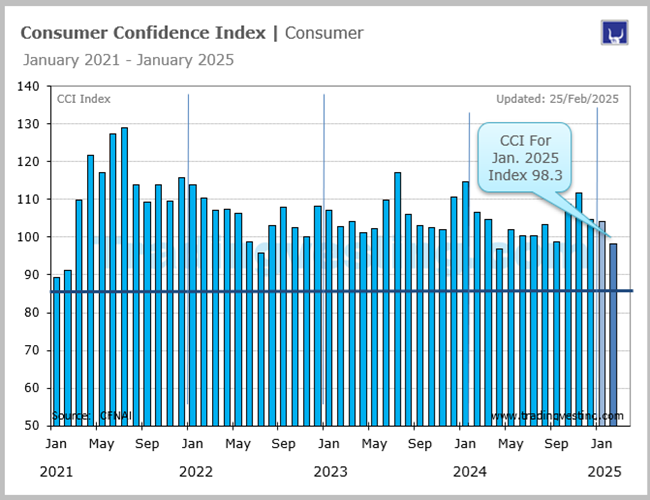
Consumer Confidence is the degree of optimism that consumers feel about the overall state of the economy and their personal financial situation.
On the other hand, if confidence is lower, consumers tend to save more than they spend, prompting the contraction of the economy. A month-to-month diminishing trend in consumer confidence suggests that in the current state of the economy most consumers have a negative outlook on their ability to find and retain good jobs.
A reading of 90 indicates a healthy economy, a level the index hasn't approached since December 2007 when the recession [cnbc explains] began. Economists watch the confidence numbers closely, because consumer spending accounts for about 70 percent of U.S. economic activity.
The sentiment gauge, which covers how consumers view their personal finances as well as business and buying conditions, averaged about 87 in the year before the start of the most recent recession.
Economists watch sentiment data to get a feel for the direction of consumer spending. Opposing forces are impacting consumers -- recent employment news has been positive, while gas prices have gained about a dime per gallon this month.
The University of Michigan Consumer Sentiment Index is almost identical to the Consumer Confidence Index, though there are two monthly releases, a preliminary and final reading.
Like the Conference Board index, it has two subindexes - expectations and current conditions. The expectations index is a component of the Conference Board's Leading Indicators index.
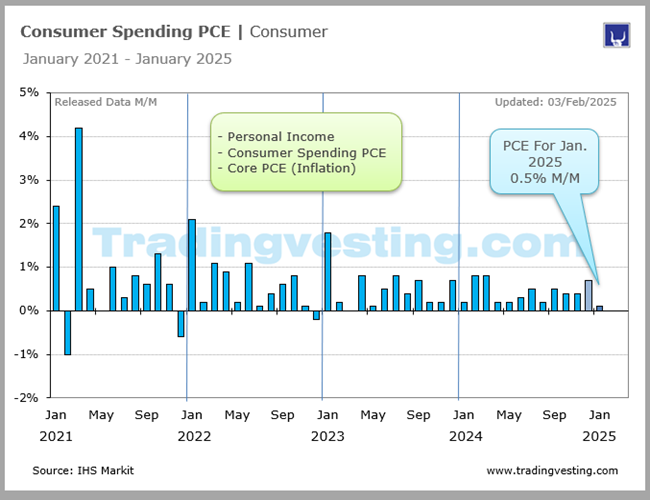
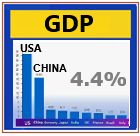
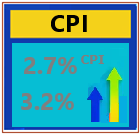
PCE price index. This inflation index measures a basket of goods and services that is updated annually in contrast to the CPI, which measures a fixed basket.Changes in import and export prices are a valuable gauge of inflation here and abroad. Consumer Spending. Consumer spending, Real PCE, is a major driver of the economy. Increased buying of both goods and services contributed to an upward revision in GDP. Consumer spending is critical because it drives roughly 70 percent of growth. Changes in personal income signal changes in consumer spending. The income and outlays data are another handy way to gauge the strength of the consumer sector in this economy and where it is headed.
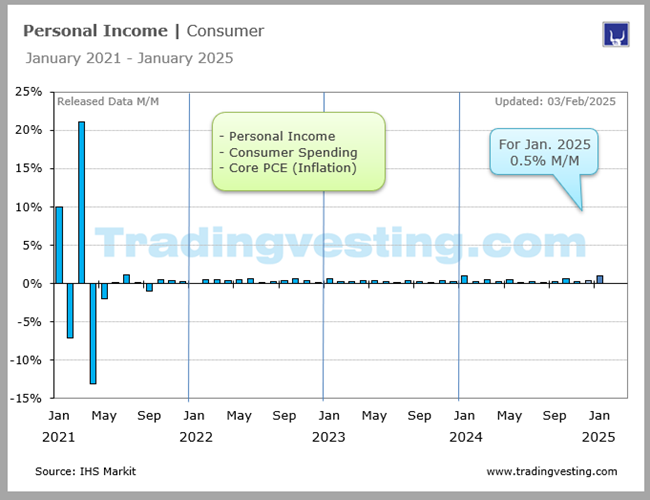
Personal income measures income from all sources. The largest component of total income is wages and salaries, a figure which can be estimated using payrolls and earnings data from the employment report. Beyond that, there are many other categories of income, including rental income, government subsidy payments, interest income, and dividend income. Personal income is a decent indicator of future consumer demand, but it is not perfect. Recessions usually occur when consumers stop spending, which then drives down income growth. Looking solely at income growth, one may therefore miss the turning point when consumers stop spending.